Can a Bank Receive Bitcoin?
Can banks receive Bitcoin? Yes—with compliance. Learn how to accept BTC securely using WalletScoreTest ’s AML tools, risk monitoring, and custody solutions.
Can banks receive Bitcoin? Yes—with compliance. Learn how to accept BTC securely using WalletScoreTest ’s AML tools, risk monitoring, and custody solutions.

















As the crypto industry continues to grow, more banks are considering whether they can legally accept Bitcoin (BTC) deposits and transactions. The answer? ✅ Yes, banks can receive Bitcoin—but only if they meet strict compliance and regulatory standards.
At WalletScoreTest , we help banks and financial institutions safely navigate the world of crypto with AML compliance solutions, transaction monitoring tools, and risk management frameworks.
The ability of a bank to accept Bitcoin depends on:
✔ Regulatory Approval – Compliance with local laws and global standards such as FATF, EU AMLD, and FinCEN.
✔ AML & KYC Policies – Implementation of Know Your Customer (KYC) and Anti-Money Laundering (AML) measures.
✔ Transaction Monitoring – Real-time tracking of Bitcoin transactions to detect illicit activities.
✔ Risk Management – Identifying and assessing the risks associated with handling crypto assets.
✔ Custody Solutions – Securely storing and managing Bitcoin using trusted custody providers.
🔹 Expanding Client Offerings – Providing crypto-related services to meet growing demand from clients.
🔹 Diversifying Investment Portfolios – Exploring new revenue streams with digital assets.
🔹 Staying Competitive – Positioning themselves as innovative financial institutions in a changing landscape.
🔹 Cross-Border Payments – Leveraging Bitcoin for fast, secure, and cost-effective global transactions.
🔸 Regulatory Uncertainty – Banks must navigate complex and evolving crypto regulations.
🔸 AML & Fraud Risks – Ensuring compliance with anti-money laundering laws to avoid handling illicit funds.
🔸 Volatility Risks – Managing the impact of Bitcoin’s price fluctuations on balance sheets.
🔸 Technology Integration – Implementing secure infrastructure for crypto transactions and custody.
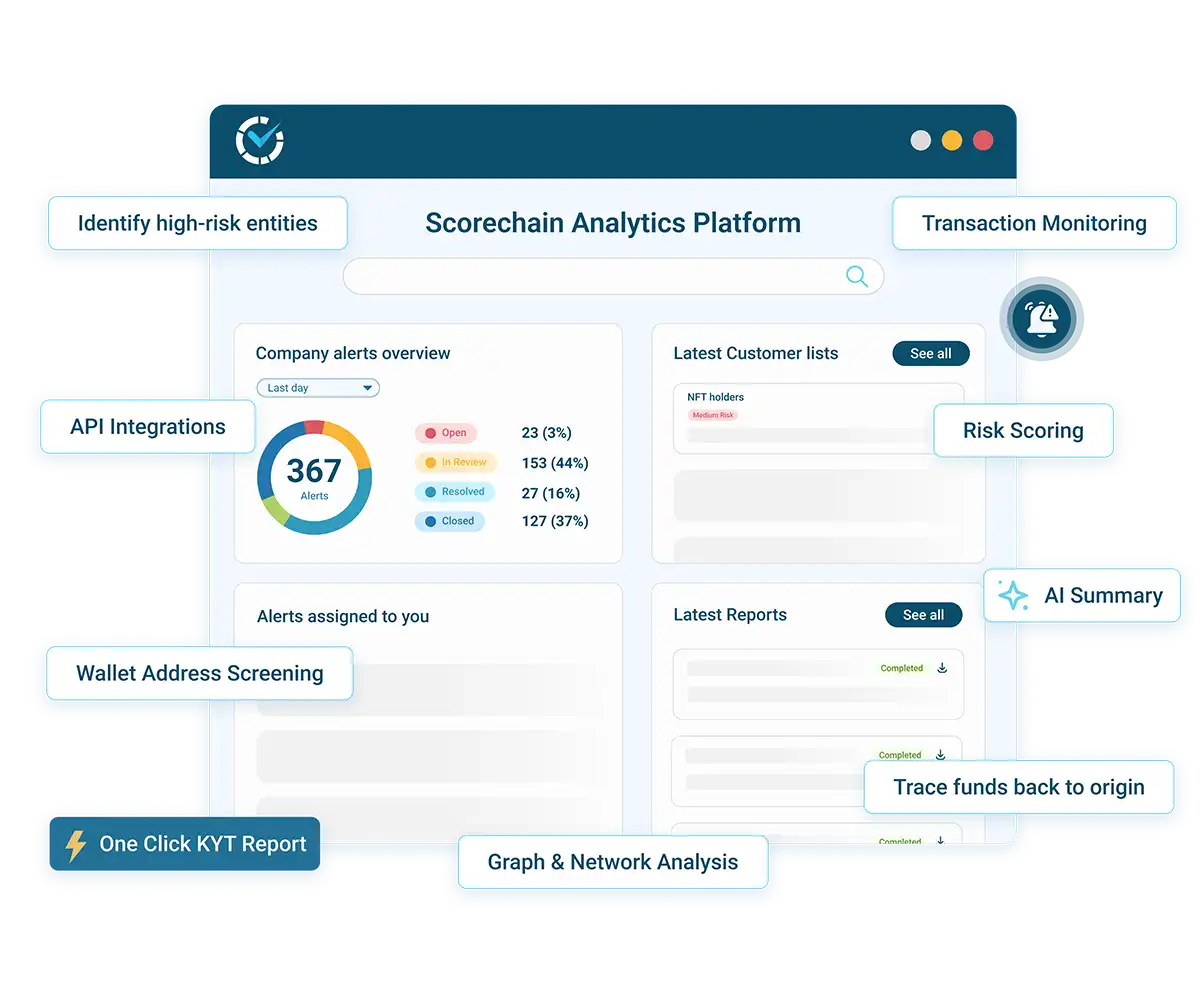
At WalletScoreTest , we provide trusted blockchain analytics and AML solutions to help banks and financial institutions receive and handle Bitcoin transactions safely.
🚀 Real-Time Transaction Monitoring – Track and assess Bitcoin transactions in real time.
🚀 AML & Risk-Based Screening – Identify wallets linked to sanctioned entities, fraud, or illicit activities.
🚀 Sanctions & Watchlist Compliance – Ensure transactions comply with OFAC, FATF, and global watchlists.
🚀 KYC & KYT Compliance – Verify customers and screen transaction behaviors.
🚀 Regulatory Reporting & Audit Trails – Generate compliance-ready reports for financial regulators.
✅ Traditional Banks Exploring Crypto Services – Safely receive and handle Bitcoin deposits.
✅ Crypto-Friendly Neobanks & FinTechs – Implement real-time monitoring & risk scoring.
✅ Payment Processors & Financial Institutions – Securely process crypto transactions.
✅ Central Banks & Regulatory Bodies – Monitor and analyze Bitcoin transactions for market integrity.
💡 Banks CAN receive Bitcoin—but only with the right compliance framework. Ensure regulatory alignment, reduce risks, and embrace digital assets securely with WalletScoreTest
.
From wallet screening and KYT monitoring to deep-dive investigations, WalletScoreTest gives you everything you need to stay compliant, secure, and audit-ready.